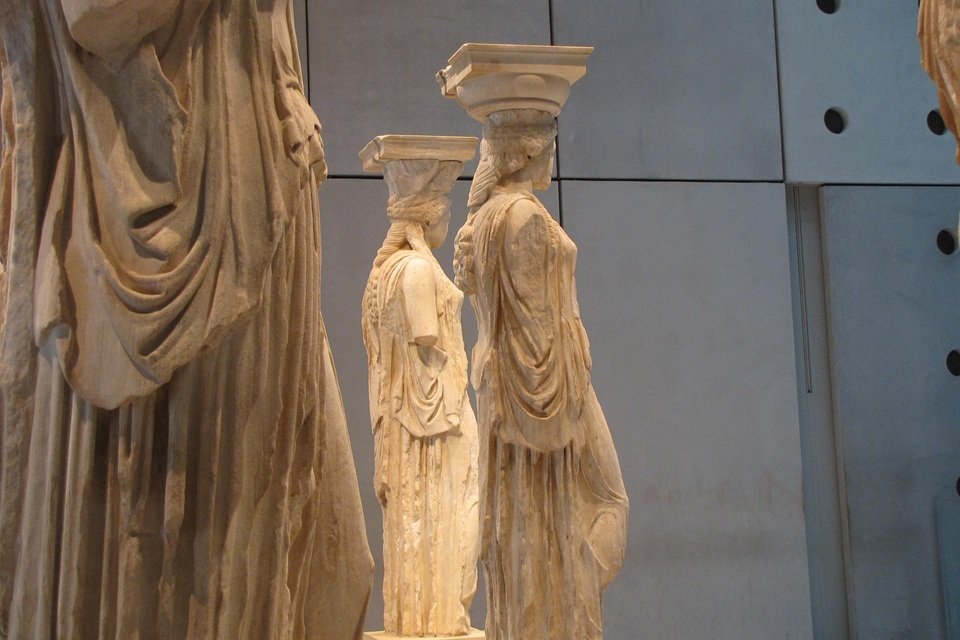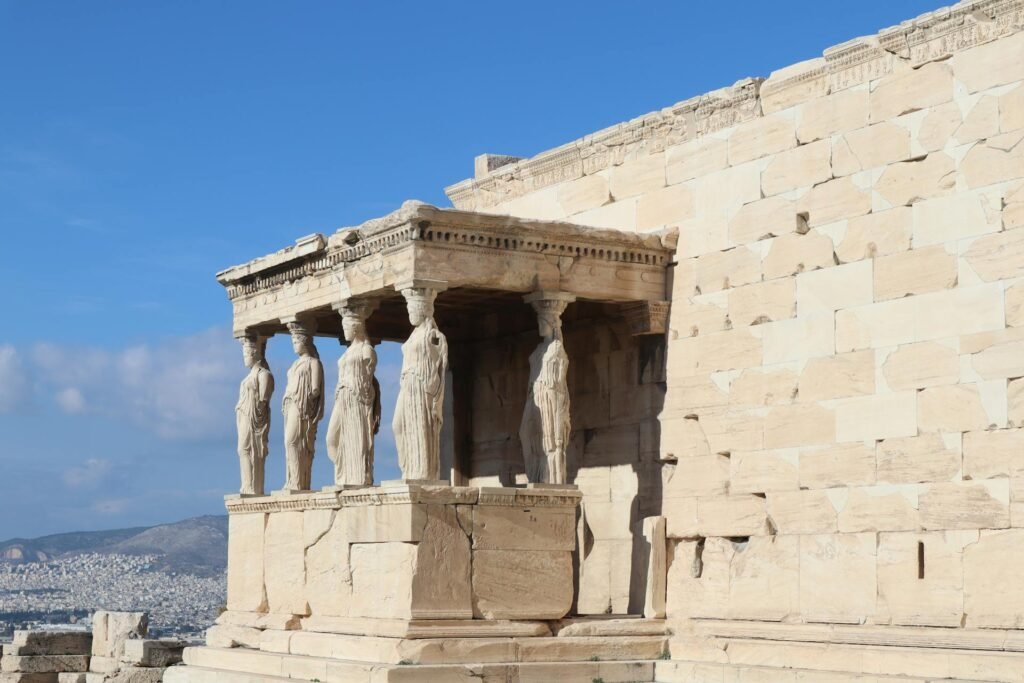

The Acropolis and the Acropolis Museum are one of the strongest combinations in Athens, because the two places are close to each other and tell the same story from a different angle.
Official tickets Acropolis
The Acropolis gives you the setting, the temples, the views, and the feeling of standing on one of the most famous hills in the world. The museum adds the details, sculptures, background, and context that make the site easier to understand. So yes, you can visit the Acropolis and the Acropolis Museum on the same day.
The walk between the Acropolis and the Acropolis Museum is short. In most cases, you can move from one to the other in about 10 to 15 minutes, depending on your pace and exact route. If you are still planning how to reach the area, it helps to check the best transport options for getting to the Acropolis before you choose your schedule. That makes the combination very practical, but it does not mean you should rush it. The Acropolis is an outdoor visit with slopes, stone paths, steps, and little shade. The museum is calmer and indoors, but it still deserves time. If you plan both well, the day feels logical and rewarding. If you squeeze them into a tight schedule, it can feel tiring.
How much time do you need for both?
For a relaxed visit, it is best to allow around 4 to 6 hours for the Acropolis and the Acropolis Museum together. That does not mean you will be walking or reading labels the whole time. It simply gives you enough room to move at a normal pace, take photos, drink water, pass through entrances, and pause between both visits.
The Acropolis itself usually takes around 1.5 to 2.5 hours. You can see the highlights faster, but most visitors need more time once they are actually on the hill. There are views over Athens, several monuments to understand, uneven paths to navigate, and plenty of moments where you naturally slow down. For a deeper breakdown, see how long a visit to the Acropolis takes. The museum usually takes around 1.5 to 2 hours, especially if you want more than a quick look at the main displays. Together with the walk and a short break, half a day is a realistic plan.
Choose your ticket
Which should you visit first?
For most visitors, it makes sense to visit the Acropolis first and the museum afterward. This order feels natural because you start with the place itself. You see the Parthenon, the hill, the surrounding city, and the scale of the ancient site before looking at the details indoors. After that, the museum helps you connect what you saw outside with the objects, sculptures, and reconstructions inside.
This order is especially useful in warm months. The Acropolis is exposed to the sun, and the climb can feel harder later in the day. By visiting the hill first, you have a better chance of seeing it while the temperature is still manageable. If you are unsure when to go, it is worth checking the best time of day to visit the Acropolis before building your museum plan around it.
There are situations where the opposite order also works. If your Acropolis time is later in the afternoon, you can visit the museum first. That can be a good choice if you want more background before walking up the hill. Just make sure you leave enough time to reach the entrance without stress. Your chosen entrance can also make a difference, so it is worth comparing the south entrance and main entrance of the Acropolis before you go.
A good morning plan
A morning plan is usually the easiest option. Start with the Acropolis as early as your schedule allows, especially if you are visiting in spring, summer, or early autumn. Before choosing a time, also check the opening hours of the Acropolis, because seasonal hours can affect how much you can fit into one day. Wear comfortable shoes, bring water, and do not treat the climb as something to get over quickly. The site is exposed and the ground can be uneven, so your Acropolis dress code and clothing choices matter more than many visitors expect.
After visiting the Acropolis, walk down toward the museum and take a short break before going inside. This pause is more useful than many visitors expect. A drink, a toilet stop, or ten quiet minutes can make the museum feel much more enjoyable. Without that break, the second part of the day can feel like something you have to finish rather than something you actually want to see.
The museum works well late in the morning or around midday. While Athens becomes hotter and busier outside, you are indoors and can move at a calmer pace. This makes the combination especially strong in summer, when the middle of the day is not ideal for long outdoor sightseeing.
Official tickets Acropolis
A good afternoon plan
An afternoon plan can also work, but it needs a little more discipline. One good option is to visit the museum first, especially during the hottest part of the day. You can then continue to the Acropolis later, when the light is softer and the temperature may feel more comfortable. This can be a pleasant rhythm if you prefer a slower morning or arrive in Athens later in the day.
The main risk is timing. The museum can easily take longer than planned, especially if you enjoy the displays or stop for a break. If you still need to visit the Acropolis afterward, you do not want to leave everything too late. The walk is short, but you still need time for entry, the climb, photos, and a proper look around the hill.
This plan works best when your Acropolis entry time is already fixed. Build the museum visit around that moment, not the other way around. That keeps the day relaxed and avoids the feeling that you are constantly watching the clock.
Is it too much for one day?
For most visitors, the Acropolis and the Acropolis Museum are not too much for one day. They are close enough to combine easily, and they support each other well. The site gives you the atmosphere and the location, while the museum helps explain what you have seen. Together, they create a fuller picture of ancient Athens than either place would on its own.
It can become too much if you add too many other sights around them. A common mistake is trying to combine the Acropolis, the museum, the Ancient Agora, Plaka, Monastiraki, a long lunch, and evening plans in one packed day. That may be possible, but it often turns the visit into a checklist. You see a lot, but you enjoy less.
A better approach is to make the Acropolis and the museum the main focus of that part of your day. Afterward, you can still walk through a nearby neighborhood, have lunch, or visit one extra place if you have enough energy. Keeping the plan simple usually makes the experience better.
Check availability
What is the best order in summer?
In summer, the best order is usually Acropolis first and museum second. The reason is simple: the Acropolis is outside, exposed, and physically more demanding. The earlier you go, the better your chances of avoiding the most uncomfortable part of the day. Afterward, the museum gives you a cooler and calmer setting.
Another good summer option is museum first and Acropolis later in the afternoon. This can work well if you want to avoid the midday sun on the hill. The late afternoon can also be beautiful for photos, because the light is softer than around noon. However, the downside is that you have less margin if something takes longer than expected.
The weakest option is usually visiting the Acropolis around the middle of the day in high summer. The light can be harsh, the stone can feel hot, and the visit may become more about enduring the heat than enjoying the site. If midday is your only option, keep the visit focused and plan the museum as your easier second stop.
What is the best order in winter?
In winter, you have more flexibility. Heat is less of a problem, and the Acropolis can feel easier to explore. You can visit the museum first if you like having background before seeing the site. That way, the monuments on the hill may feel more meaningful when you reach them.
You can also visit the Acropolis first, especially on a clear day. The views over Athens can be excellent in cooler weather, and walking up the hill may feel much more comfortable than in summer. Afterward, the museum is a logical indoor stop if the weather changes or you want to continue the theme at a slower pace.
The main thing to watch in winter is daylight. Do not start too late if you want enough time on the hill. The museum is easier to fit into the day because it is indoors, but the Acropolis is best when you still have good light.
Check availability
Should you buy separate tickets?
The Acropolis and the Acropolis Museum are separate visits. Do not assume that one ticket automatically covers both. This matters when you plan your day, because the Acropolis often needs more attention around timing, especially during busy periods. If you are still comparing options, start with the main overview of Acropolis ticket prices, types, and best choices.
It is smart to plan your Acropolis time first, especially during busy travel periods. Once you know when you will visit the hill, you can place the museum before or after it. This makes the day much easier than trying to fit the Acropolis around a loose museum plan. If your preferred slot is no longer available, this overview of last-minute Acropolis tickets can help you understand your options.
Keep your tickets easy to find on your phone and check your date before you arrive. This sounds basic, but it prevents a lot of stress. When you are standing near the entrance in the heat or in a crowd, you do not want to search through emails or wonder which ticket belongs to which place.
Can you do both with kids?
Yes, you can visit both with kids, but it helps to keep the day simple. The Acropolis can be exciting, but it can also be hot, bright, and tiring. Children may enjoy the climb, the views, and the size of the Parthenon, but they may not have much patience for a slow, detailed visit.
The museum can work well after the Acropolis because it is cooler and easier for breaks. It also gives children something more visual to connect with after seeing the hill. Still, you do not need to cover every room or explain every object. A shorter, focused museum visit is often better than trying to make the day too educational.
Build in pauses and keep expectations realistic. The same applies if you are visiting with older family members, because these Acropolis tips for seniors are also useful for anyone who wants a slower and more comfortable day. Water, snacks, shade, and a flexible pace matter more than seeing every detail. With children, a good mood is more important than a perfect route.
Official tickets Acropolis
Can you do both if walking is difficult?
You can combine both visits if walking is difficult, but you should plan more carefully than the average visitor. The museum is usually the easier part because it is indoors and more controlled. The Acropolis is more demanding because of slopes, steps, stone surfaces, and uneven ground.
Give yourself more time than you think you need. Moving slowly is not a problem if your schedule allows it. The day becomes difficult when you have to rush from one place to the other or keep up with a pace that does not suit you.
Weather also matters. Heat, wind, and bright sun can make the Acropolis feel much harder. In that case, the museum can be a useful place to recover after the hill. It is better to plan a comfortable half day than to force both visits into a tight window.
Where should you take a break?
The area between the Acropolis and the museum is a good place for a short pause. You do not need to make it complicated. Sit down, drink water, use the toilet if needed, and give yourself a moment before starting the second visit.
This break is especially useful if you visit the Acropolis first. After the hill, many visitors are warmer and more tired than they expected. A short reset helps you enter the museum with more focus and patience.
Try not to plan a very long lunch between the two unless your schedule is wide open. A heavy meal can slow the day and make it harder to continue. A light break often works better, with a proper meal after both visits.
Official tickets Acropolis
Is the museum still worth it after the Acropolis?
Yes, the museum is still worth visiting after the Acropolis. In many ways, it becomes more interesting because you have just seen the place where the story belongs. The hill gives you the setting, while the museum helps fill in the missing pieces.
After walking around the Acropolis, you may understand the museum more easily. The sculptures, models, and displays are no longer abstract. They connect to a place you have just visited, which makes them easier to remember.
You do not need to be a history expert to enjoy this. Even if you only spend a modest amount of time inside, the museum can make the Acropolis feel less like a group of ruins and more like a complete ancient site. If you are still deciding how much museum time to reserve, the comparison between the Acropolis Museum and the National Archaeological Museum can also help you choose your priorities.
Best simple plan for most visitors
For most visitors, the best simple plan is to visit the Acropolis in the morning, take a short break, and then visit the Acropolis Museum. This order respects your energy and works well with the outdoor and indoor nature of the two places.
If you visit outside the hottest months, you can reverse the order. The museum first can be a nice choice if you want context before seeing the hill. Just make sure you do not leave the Acropolis too late, especially when daylight is limited.
The main mistake is trying to do both too quickly. They are close together, but they are not one single attraction. Give each place enough space, and the combination feels much more rewarding. If you want extra context during the site visit itself, you can also compare an Acropolis guided tour with an audio guide before deciding how to visit.
Official tickets Acropolis
Final thoughts: Acropolis and Acropolis Museum on the same day
You can definitely visit the Acropolis and the Acropolis Museum on the same day. The combination is practical, meaningful, and easy to plan because the two places are so close to each other.
For a first visit, Acropolis first and museum second is usually the best order. You start with the famous hill before moving indoors to understand more of what you have seen. In summer, this order also helps you avoid doing the hardest outdoor part during the hottest hours.
Keep your plan simple, leave time for a break, and do not overload the rest of your day. That way, the Acropolis and the museum feel connected instead of exhausting.
FAQ
Do you need a full day for the Acropolis and the Acropolis Museum?
No, you usually do not need a full day. For most visitors, half a day is enough if you focus on these two places and keep the rest of your schedule light.
Are the Acropolis and the Acropolis Museum next to each other?
They are very close, but they are not in the same place. You can usually walk between them in about 10 to 15 minutes, depending on your pace and route.
Is it better to eat before or after both visits?
For most visitors, it is better to keep the break between both visits light. A drink, snack, or short pause works well, while a long meal can slow the day too much.
Can you leave the Acropolis and return later?
Usually, you should treat your Acropolis visit as one continuous visit. Plan your break after you have finished the hill, then continue to the museum.
Is the Acropolis Museum a good place to cool down?
Yes, especially in warm months. After the exposed hill, the museum can feel like a calmer and more comfortable second stop.
Should you visit both if you are not very interested in history?
Yes, if you want a fuller Athens experience. You do not need to study every detail, but the museum can make the Acropolis easier to understand.
If you still have practical questions about your visit, also consult our extensive FAQ page about the Acropolis for clear answers.