
The Temple of Athena Nike is one of the smallest yet most remarkable monuments on the Acropolis of Athens. Standing on a high stone bastion near the Propylaea, this elegant ancient Greek temple was dedicated to Athena as the goddess of victory. Its beautiful Ionic columns, dramatic location and fascinating history make it an important part of any Acropolis visit.
Official Tickets Acropolis Athens
The Temple of Athena Nike is located inside the Acropolis archaeological site. You cannot purchase a separate ticket for the temple. Admission is included with a valid Acropolis entrance ticket, and visitors can admire the monument from designated areas along the archaeological site’s visitor routes. Although most visitors head straight towards the Parthenon, the Temple of Athena Nike deserves a closer look. Understanding its location, architecture and symbolic meaning will help you appreciate one of the most significant buildings from the Golden Age of Athens.
Where Is the Temple of Athena Nike Located?
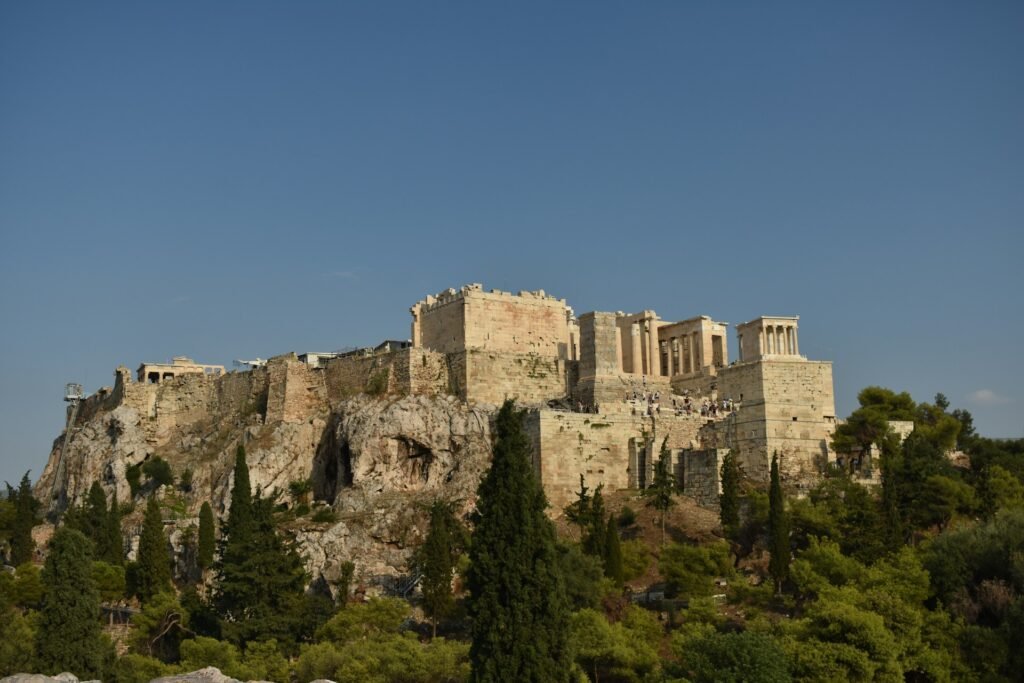
The Temple of Athena Nike stands on the southwestern edge of the Acropolis, overlooking Athens from a raised stone bastion beside the Propylaea, the monumental gateway to the archaeological site. As you approach the upper Acropolis, look towards the elevated platform on the right-hand side of the Propylaea. The small marble temple, with its four Ionic columns at each end, occupies one of the most prominent positions near the entrance.
Its location was carefully chosen. In ancient Athens, the temple stood at a symbolic boundary between the city below and the sacred monuments above. It also occupied a strategically important position overlooking the western approach to the Acropolis. Today, visitors encounter the temple as part of their normal Acropolis visit. There is no need to arrange a separate excursion or purchase an additional admission ticket.
Can You Visit the Temple of Athena Nike?
Yes, you can see the Temple of Athena Nike when visiting the Acropolis of Athens. However, there is an important distinction between viewing the monument and entering the building itself. The temple is a protected archaeological monument and is not open for visitors to enter. You can admire its exterior from the accessible visitor areas near the Propylaea, although barriers and conservation measures may restrict how closely you can approach.
Because the temple stands on an elevated bastion, its architectural details are sometimes easier to appreciate from a short distance. Take a moment to look at its columns, proportions and position above the surrounding landscape. The monument is included in a standard Acropolis visit, making it an easy addition to your itinerary without requiring extra travel time.
Do You Need a Ticket for the Temple of Athena Nike?
You need a valid Acropolis entrance ticket to see the Temple of Athena Nike from within the archaeological site. There is no separate ticket for the monument. Admission to the temple area is covered by your Acropolis ticket, whether you visit independently or join a guided tour that includes entrance to the archaeological site.
During busy travel periods, booking your Acropolis admission in advance is advisable, particularly if you want to visit at a specific time. It is worth comparing the available admission options before making a reservation, as ticket conditions and included services can differ.
What Should You Know Before Visiting?
The Temple of Athena Nike is relatively easy to include in your visit, but a little preparation will help you appreciate it more fully. Because the monument stands near the Propylaea, you will generally see it around the beginning or end of your visit to the upper Acropolis. There is no separate visitor entrance or designated interior tour.
The surrounding archaeological site includes uneven stone surfaces, slopes and exposed areas. Comfortable footwear is recommended, particularly during hot weather when the marble and stone paths can become uncomfortable to walk on. The temple itself does not require a long stop. Allow approximately 5–10 minutes to admire its exterior, take photographs where permitted and appreciate its position above Athens. This is a suggested viewing time rather than an official requirement. If you want to explore the other monuments as well, it helps to estimate how much time you will need before planning the rest of your day.
History of the Temple of Athena Nike
The Temple of Athena Nike was constructed during the fifth century BCE, when Athens was one of the most influential cities in the ancient Greek world. The surviving temple is generally dated to around 427–424 BCE, during the Peloponnesian War. Its construction formed part of the wider architectural development of the Acropolis during the Classical period, when the Parthenon and other important monuments transformed the sacred hill.
Athena was the patron goddess of Athens, associated with wisdom, strategic warfare and the protection of the city. At this sanctuary, she was worshipped specifically as Athena Nike, or Athena of Victory. The dedication reflected the importance of military success and divine protection in ancient Athenian society. Victory was not simply a battlefield achievement; it also represented the security, prosperity and prestige of the city. Although the temple is much smaller than the Parthenon, its position near the entrance ensured that it held a prominent place in the religious and political landscape of classical Athens.
Official Tickets Acropolis Athens
Why Is Athena Nike Called the Goddess of Victory?
The Greek word Nike means victory. In ancient Greek religion, Nike was also personified as a goddess associated with success in warfare and competition. At the Acropolis sanctuary, victory was connected with Athena, the city’s protective goddess. Worshipping Athena Nike expressed the hope that Athens would remain successful and secure.
The sanctuary is also associated with the name Nike Apteros, commonly translated as “Wingless Victory”. According to an ancient explanation, the goddess was represented without wings so that victory would remain in Athens rather than fly away. This interpretation became one of the best-known stories associated with the temple, although it should be understood as an ancient tradition rather than a confirmed explanation of every aspect of the sanctuary’s religious imagery. Understanding this symbolism adds meaning to the temple’s prominent location near the entrance to the Acropolis.
Architecture of the Temple of Athena Nike
Despite its relatively small dimensions, the Temple of Athena Nike is considered an outstanding example of Classical Greek Ionic architecture. The building was constructed from Pentelic marble, the same distinctive material used for several major monuments on the Acropolis. Its design is traditionally attributed to the architect Callicrates, who is also associated with the Parthenon.
The temple follows an amphiprostyle arrangement, meaning it has columns at both the front and the back, but not along its sides. Four slender Ionic columns stand at each end, giving the building an elegant and balanced appearance. Unlike the larger Doric Parthenon, the Temple of Athena Nike features the more delicate proportions and decorative details associated with the Ionic order.
Its compact design was particularly suitable for the restricted space available on the bastion. The elevated position also made the small structure appear more prominent when viewed from the approach to the Acropolis. When you see the temple, pay attention to the contrast between its refined architectural details and the massive stone structures surrounding the Propylaea.
The Famous Sculptures of the Temple of Athena Nike
The Temple of Athena Nike was originally decorated with elaborate sculptural reliefs that celebrated victory and reflected the religious importance of the sanctuary. An Ionic frieze extended around the upper exterior of the temple. Its carved scenes included assemblies of gods and episodes of conflict involving Greek warriors.
Another remarkable feature was the sculpted marble parapet that surrounded the edge of the bastion. This protective barrier was decorated with reliefs of winged figures of Nike, represented in graceful and dynamic poses. One of the most famous surviving sculptures is known as Nike Adjusting Her Sandal. The relief is admired for its sophisticated depiction of movement and the delicate folds of fabric covering the figure.
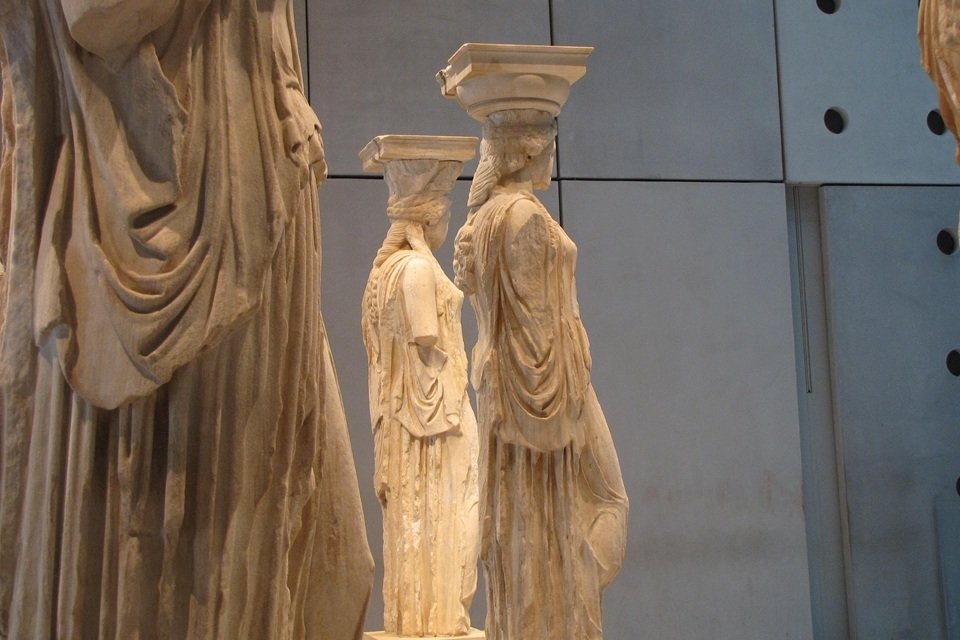
Several original sculptural elements associated with the temple and its parapet are preserved in the Acropolis Museum, where visitors can appreciate details that are difficult or impossible to examine at the archaeological site. If you are interested in the artistic history of the Acropolis, combining your archaeological visit with the museum offers a more complete understanding of these remarkable works.
Can You See the Original Sculptures in the Acropolis Museum?
Yes. The Acropolis Museum displays important original sculptures from the Temple of Athena Nike, including reliefs associated with its decorative programme. Visiting the museum allows you to examine the craftsmanship and symbolism of these works more closely than is possible when viewing the temple from outside.
The museum is a separate attraction and requires its own admission arrangements. It is located near the southern slopes of the Acropolis, making it convenient to combine both attractions during the same day. Many visitors choose to explore the archaeological site and museum together, allowing them to see the ancient monuments before examining their surviving sculptures and historical artefacts in greater detail.
Restoration and Preservation of the Temple
The Temple of Athena Nike has undergone several major changes since antiquity. During the Ottoman period, the building was dismantled and its architectural materials were reused in defensive structures on the Acropolis. Following Greek independence, restoration work began during the nineteenth century, when surviving fragments were recovered and the temple was reconstructed.
Additional conservation and reconstruction projects followed during the twentieth and early twenty-first centuries. These works addressed structural problems, corrected aspects of earlier interventions and helped protect the surviving ancient marble. The monument visible today therefore combines original architectural elements with the results of successive restoration campaigns. Because the Acropolis is a protected archaeological site, conservation measures and visitor restrictions are essential to preserving the temple for future generations.
Is the Temple of Athena Nike Worth Seeing?
Absolutely. Although it is considerably smaller than the Parthenon, the Temple of Athena Nike is one of the most historically meaningful monuments on the Acropolis. Its architectural elegance, elevated position and association with the idea of victory make it an important part of the ancient sanctuary. It also provides a useful introduction to the wider history of classical Athens.
You do not need to spend a large amount of time at the monument to appreciate it. Even a short stop can reveal how carefully the ancient Athenians combined religion, architecture and political symbolism. Rather than rushing directly towards the Parthenon, take a moment near the Propylaea to admire this smaller temple. It is an excellent reminder that the Acropolis contains much more than its most famous building.
Plan Your Visit to the Temple of Athena Nike
The Temple of Athena Nike is an essential part of the Acropolis experience, even though it is easy to overlook beside the much larger Parthenon. Its location near the entrance makes it convenient to include in your visit, while its history and architectural details reveal an important part of ancient Athens.
Before visiting, check when the archaeological site is open and make sure you have the appropriate entrance ticket for your planned visit. It is also helpful to familiarise yourself with the entrance arrangements so you know where to go when you arrive. With a little preparation, you can enjoy the Temple of Athena Nike as part of a rewarding exploration of the Acropolis and its remarkable ancient monuments.