
Visiting the Acropolis with children can be a memorable experience for the whole family. Standing beneath the Parthenon and exploring one of the world’s most famous archaeological sites often sparks children’s curiosity about ancient history.
Check availability
At the same time, the Acropolis is built on a rocky hill with uneven paths, limited shade, and plenty of walking, so a little preparation goes a long way. The good news is that families visit the Acropolis every day, including many with young children. By choosing the right time to visit, bringing the essentials, and planning realistic expectations, you can enjoy the site without turning it into an exhausting experience.
Is the Acropolis suitable for children?
Yes, the Acropolis is suitable for children, but it is not a playground. Most children from about five years old and up can comfortably enjoy the visit when they can walk independently. Younger children can also visit, although parents should expect to carry them for at least part of the route.
Many families are surprised by how fascinated children become once they realise they are standing among temples that were built nearly 2,500 years ago. Rather than focusing on every historical detail, try turning the visit into a small adventure. Let them spot the impressive columns, imagine how the temples once looked, or count the marble steps leading to the top.
The visit becomes much more enjoyable when children still have energy, which is why many families aim for the morning. The calmer early hours and softer temperatures usually make a big difference, especially if you have already checked the best time of day to visit the Acropolis before choosing your time slot.
What is the minimum age for visiting the Acropolis?
There is no minimum age for visiting the Acropolis. Babies, toddlers, school-age children, teenagers and adults are all welcome.
The real question is not whether children are allowed to enter, but whether they will enjoy the experience. Toddlers often become tired because there are few places to rest and almost no shade during the warmer months. Older children usually appreciate the visit much more, especially when they already know a little about Ancient Greece from school or books.
If you’re travelling with very young children, plan for a slower pace than you normally would. Frequent water breaks and short pauses make a big difference, especially during spring and summer.
Check availability
Can you bring a stroller to the Acropolis?
A stroller is allowed, but it is not always practical.
The Acropolis is built on a natural limestone hill, and many of the pathways consist of uneven stones, marble surfaces and gentle slopes. While some sections are relatively easy to navigate, other parts can be difficult with a traditional stroller.
For babies and younger toddlers, many parents prefer using a baby carrier instead. It allows you to move more freely while keeping your hands available on steeper sections of the route. If you do decide to bring a stroller, a lightweight model with larger wheels generally performs better than a compact travel stroller.
Families who need step-free access can also make use of the site’s elevator. If this applies to your group, it is worth checking the latest information before your visit.
How long should families spend at the Acropolis?
Families generally enjoy the Acropolis most when they keep the visit fairly relaxed. While history enthusiasts may happily spend several hours exploring every corner, younger children usually have a shorter attention span.
For most families, between 1½ and 2 hours is enough to see the highlights without everyone becoming tired. That gives you enough time to enjoy the main route, while still leaving room for lunch nearby, a slower afternoon, or another family-friendly stop after the Acropolis, depending on how long your Acropolis visit is likely to take.
Should you visit the Acropolis Museum with children?
In many cases, yes.
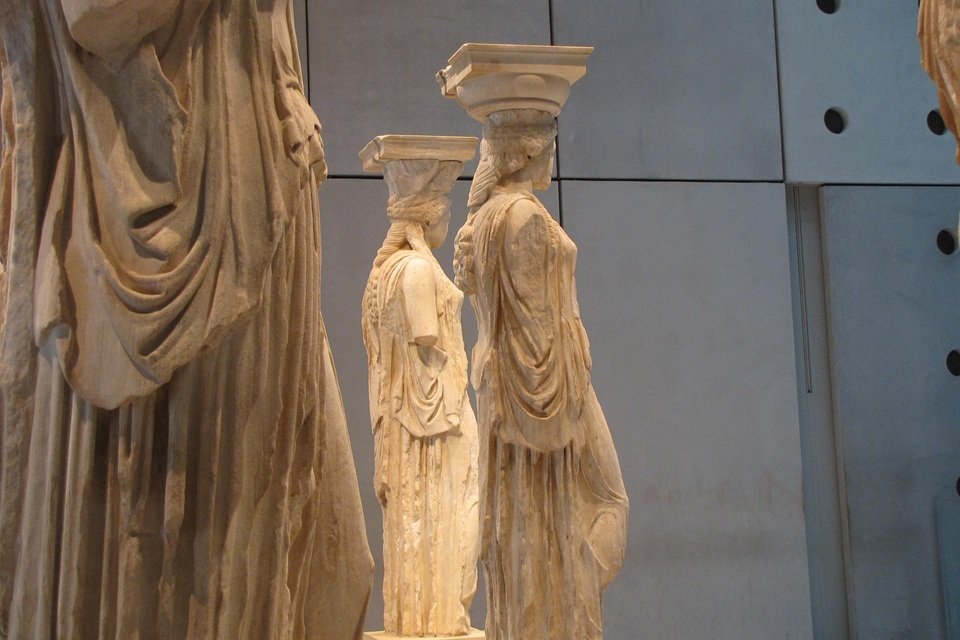
The museum offers a completely different experience from the archaeological site itself. After walking outdoors, families can cool down inside an air-conditioned building while seeing original sculptures, statues and fascinating exhibits that help bring the Acropolis to life.
Older children often enjoy the museum because they can finally connect what they saw outside with detailed models and artefacts inside. Younger children may not stay interested quite as long, but the cooler environment usually makes the visit much more comfortable on hot afternoons.
Combining both places can work very well with children, especially if you visit the archaeological site first and save the cooler indoor museum for later. The day feels much easier when you plan the order carefully, because the Acropolis and the Acropolis Museum can be visited on the same day without rushing.
What should children wear when visiting the Acropolis?
Comfortable clothing and sturdy shoes are far more important than dressing for photos. The Acropolis is built on a rocky hill, and many of the paths are made of smooth marble. Smooth marble can become slippery, especially after rain or during the early morning.
Lightweight clothing is the best choice during the warmer months, while trainers or walking shoes provide much better grip than sandals or flip-flops. A sun hat and sunscreen are also highly recommended, as there is very little natural shade once you reach the top of the hill.
Comfortable clothing and sturdy shoes are far more important than dressing for photos. The Acropolis is built on a rocky hill, and the smooth marble paths can be slippery, so it helps to choose practical clothes and shoes before you decide what to wear to the Acropolis.
Check availability
What should families bring?
Packing a few essentials can make your visit much more enjoyable. A refillable water bottle is one of the most important items, especially from late spring until early autumn. Although the visit is not particularly long, the combination of sunshine, climbing and limited shade can quickly become tiring for younger visitors.
Other useful items include:
- Sunscreen
- Sun hats
- Comfortable walking shoes
- Small snacks for after your visit
- A fully charged phone or camera
- Baby carrier if travelling with toddlers
Try to keep backpacks fairly light. Everyone will appreciate carrying less while walking uphill.
Are guided tours suitable for families?
That depends on the age of your children.
Families with older children often enjoy guided tours because the stories about Greek mythology, gods and heroes make the ancient temples much more interesting. Younger children, however, usually have less patience for detailed historical explanations and often prefer exploring at their own pace.
An audio guide can be a good middle ground for families, because adults still get context while children can move at a more relaxed pace. A live guide can also work well with older children, but the best choice depends on your family’s patience, budget and interest in history, so it is worth comparing an Acropolis guided tour vs audio guide before booking.
Which entrance is best for families?
Most families find the South Entrance the more comfortable option. It is generally quieter than the Main Entrance and allows you to visit several important monuments before gradually making your way towards the Parthenon. This often creates a more relaxed experience, especially during busy periods. Whichever entrance you choose, arriving early remains one of the easiest ways to avoid queues and the midday heat. Not sure which entrance suits your plans? Compare the South Entrance and Main Entrance at the Acropolis before deciding.
Check availability
Should you book tickets in advance?
Yes, especially during the busiest months. The Acropolis has become one of Europe’s most popular archaeological sites, and popular time slots regularly sell out well before the day of your visit. Booking ahead is especially useful during busy months, when the most convenient time slots can disappear quickly. If your preferred slot is no longer available, there are still other ways to plan the visit, especially when you know what to do with last-minute Acropolis tickets.
Choosing the right ticket is easier when you already know how much time you want to spend on the site and whether your family prefers to explore independently or with extra explanation. Before booking, compare the Acropolis ticket prices, types and best options so you do not pay for more than you need.
Final thoughts: visiting the Acropolis with children
Visiting the Acropolis with children is absolutely worthwhile. While the climb and warm weather require a little preparation, most families leave with unforgettable memories of one of the world’s greatest archaeological sites. Planning ahead makes all the difference. Arriving early, wearing comfortable clothing, bringing enough water and choosing realistic expectations will help everyone enjoy the experience.
Still planning the rest of your visit? The Acropolis Visitor Guide brings together the practical details that matter most, from tickets and opening hours to entrances, timing and family-friendly preparation, while the frequently asked questions about the Acropolis answers the most common questions before you go.